
Beyond Net Zero: 5 Innovations Shaping the Future of Sustainable Construction
For years, the construction industry has been striving toward the ambitious goal of net zero carbon emissions. Achieving net zero means balancing the carbon emitted with the carbon removed, creating a neutral footprint. Whilst global climate challenges intensify, the question arises: Is net zero enough? The answer increasingly points toward going beyond net zero – designing buildings and infrastructure that actively regenerate ecosystems, produce clean energy and contribute positively to communities.
This article explores five key innovations that are pushing sustainable construction into its next chapter.
1. Regenerative Design Principles
Net zero buildings aim to minimise harm but regenerative design goes further by restoring natural systems. This approach integrates green roofs, biodiversity corridors and water recycling systems that not only reduce impact but actively improve the environment. For example, regenerative buildings can filter stormwater, provide habitats for pollinators and even improve air quality in urban areas.
2. Circular Economy in Construction
The construction industry is notorious for waste, with millions of tons of materials discarded annually. Moving beyond net zero requires embracing the circular economy – designing buildings with materials that can be reused, recycled or repurposed. Innovations like modular construction, reclaimed timber and low-carbon concrete are helping reduce reliance on virgin resources. In practice, this means buildings become material banks, where components can be disassembled and reused in future projects.
3. Smart and Adaptive Buildings
Technology plays a pivotal role in sustainable construction. Smart buildings equipped with sensors and AI can monitor energy use, water consumption and indoor air quality in real time. Adaptive systems allow structures to respond to environmental changes – adjusting ventilation, shading or heating automatically. These innovations not only reduce emissions but also improve occupant wellbeing, making sustainability a lived experience rather than a hidden metric.
4. Positive Energy Communities
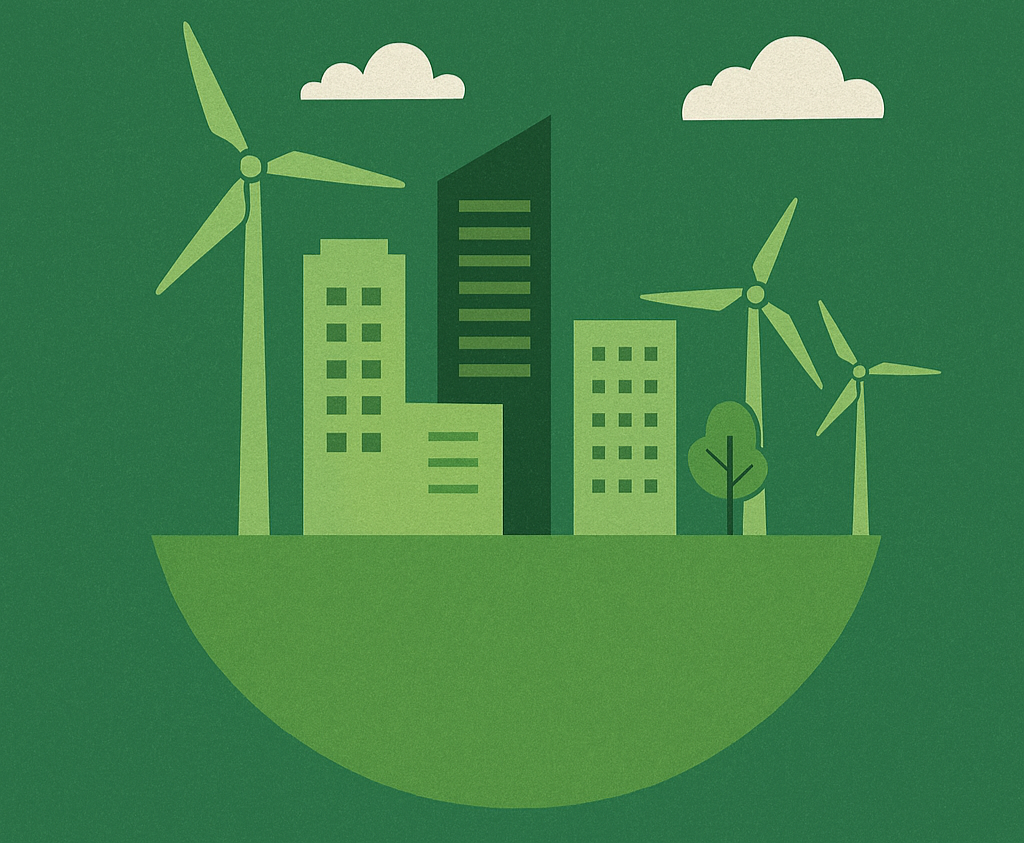
Instead of buildings that merely offset their own energy use, the next frontier is positive energy communities. These are clusters of homes and offices that generate more renewable energy than they consume, feeding surplus power back into the grid. Solar panels, wind turbines and community battery storage systems are central to this model. By scaling beyond individual buildings, construction can contribute to national energy resilience.
5. Social Sustainability and Human-Centred Design
Sustainability isn’t just about carbon – it’s also about people. Pushing beyond net zero construction means that there is an emphasis on social sustainability: creating inclusive, healthy and affordable spaces. This includes designing for accessibility, integrating community spaces and ensuring fair labour practices in supply chains. Human-centred design ensures that sustainability benefits everyone, not just those who can afford premium eco-homes.
Conclusion: Beyond Net Zero Is About Positive Impact
The future of sustainable construction lies in moving from neutrality to positivity. Embracing regenerative design, circular economy principles, smart technologies, positive energy communities and social sustainability, the industry can transform from a contributor to climate change into a driver of ecological and social regeneration.
Going beyond net zero is not just a technical challenge – it’s a cultural shift. It requires collaboration across architects, engineers, policymakers and communities. The buildings of tomorrow won’t just stand – they’ll heal, connect and inspire.