
What to Expect When You Start a Construction Project in 2026: A Step‑by‑Step Overview
Starting a construction project, whether it’s a home extension, renovation, or full new build, can feel exciting, overwhelming and full of unknowns. The good news is that with the right contractor and a clear roadmap, the process becomes far more manageable. Understanding each stage helps you feel confident, prepared and in control from day one.
This step‑by‑step overview walks you through what to expect, how to prepare and how a well‑structured process keeps your project running smoothly.
1. The Initial Consultation: Turning Ideas Into a Plan
Every successful construction project begins with a conversation. During the initial consultation, you’ll discuss your goals, budget, timeline and any early design ideas. This is your chance to ask questions, share inspiration and outline what matters most to you, whether that’s maximising space, improving energy efficiency, or creating a more functional home layout.
A good contractor will listen carefully, offer guidance and help you understand what’s achievable within your budget. This stage sets the tone for the entire project, so clarity and communication are key.
2. Site Visit and Feasibility Checks
Once the initial ideas are in place, the team will arrange a site visit. This allows them to assess the existing structure, take measurements and identify any potential challenges early on. Feasibility checks may include:
- Structural considerations
- Access for materials and equipment
- Drainage and utilities
- Planning permission requirements
Catching issues at this stage prevents surprises later and ensures your project is built on solid foundations literally and figuratively.
3. Design Development and Drawings
With the site information gathered, the design phase begins. You’ll work with designers, architects, or engineers (depending on the scale of the project) to refine layouts, choose materials and create detailed drawings.
This stage often includes:
- Floor plans
- Elevations
- Structural calculations
- 3D visualisations (if applicable)
Clear drawings not only help you visualise the final result but also ensure everyone involved is working from the same blueprint.
4. Planning Permission and Building Regulations
Not every construction project requires planning permission, but many do – especially extensions, major alterations, or changes to the building’s exterior. Your contractor or architect will guide you through the process, prepare the necessary documents and submit applications on your behalf.
Alongside planning, all work must comply with building regulations. These cover safety, structural integrity, insulation, ventilation and more. Ensuring compliance protects your home and avoids costly issues later.
5. Detailed Quotation and Contract Agreement
Once the design is finalised, you’ll receive a detailed quotation outlining costs, materials, timelines and payment stages. A transparent quote helps you understand exactly what’s included and prevents unexpected expenses.
A written contract follows, covering:
- Scope of work
- Start and completion dates
- Payment schedule
- Responsibilities of both parties
This agreement protects you and ensures everyone is aligned before work begins.
6. Pre‑Construction Preparation
Before the first tool is lifted, there’s a short preparation phase. This may include:
- Ordering materials
- Scheduling trades
- Setting up site access
- Health and safety planning
You may also need to clear rooms, move furniture, or temporarily relocate depending on the scale of the work. Your contractor will guide you through what’s needed.
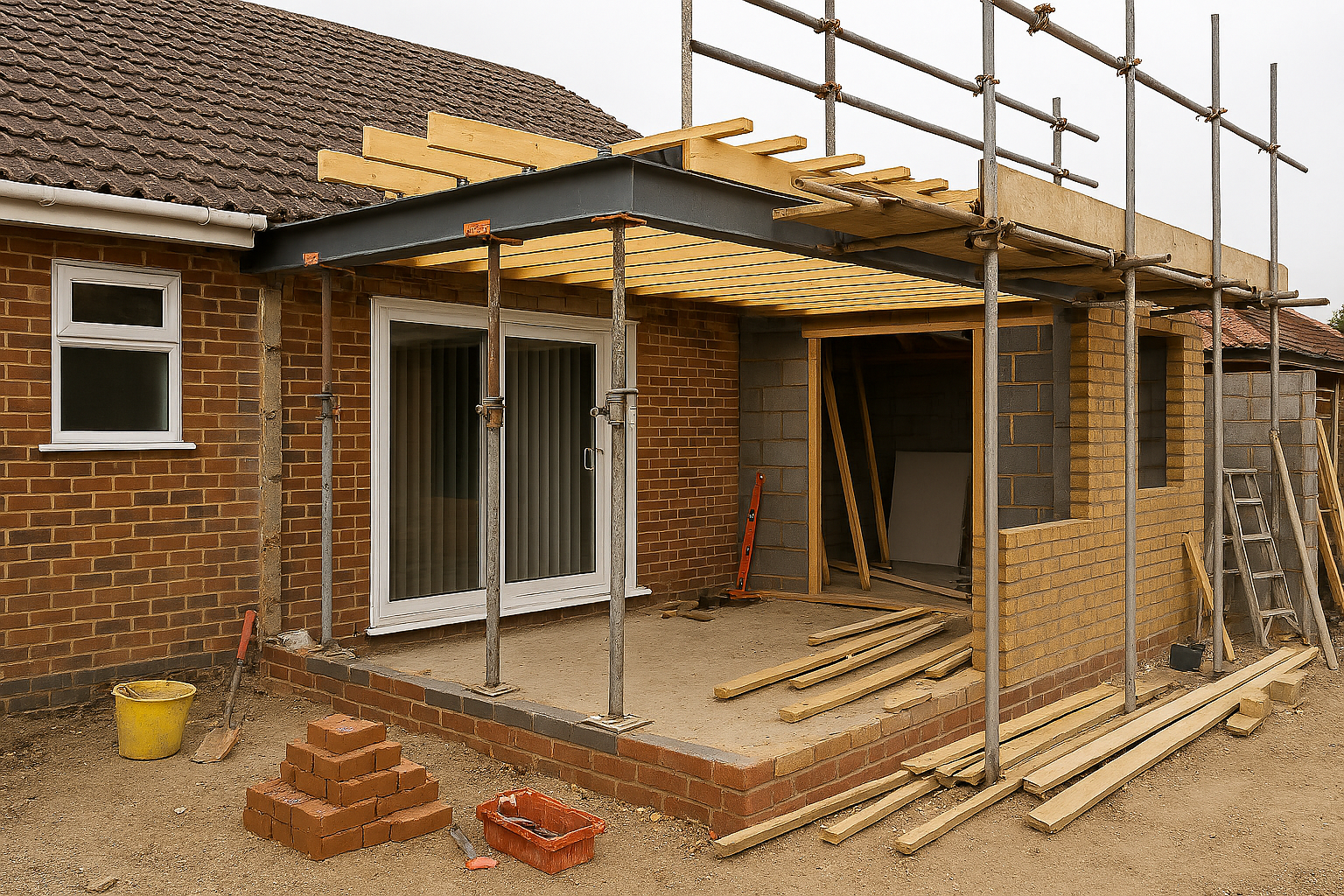
7. Construction Begins: What to Expect Day‑to‑Day
This is where your vision starts to take shape. A well‑managed construction project will have a clear schedule, regular communication and a dedicated point of contact. You can expect:
- Daily or weekly progress updates
- Site supervision
- Coordination of trades
- Quality checks at each stage
Good contractors minimise disruption, keep the site tidy and ensure work progresses safely and efficiently.
8. Final Checks, Snagging and Handover
As the project nears completion, the team will carry out final inspections and address any snagging items – small adjustments or finishing touches that ensure everything is perfect.
Once complete, you’ll receive:
- A final walkthrough
- Certificates (e.g., electrical, gas, building control)
- Maintenance advice
- Warranty information
This final stage ensures you feel confident, informed and ready to enjoy your newly transformed space.
Conclusion
Starting a construction project doesn’t have to be daunting. With a clear process, open communication and a trusted team, you can move through each stage with confidence. Understanding what to expect helps you make informed decisions and ensures your project runs smoothly from the first conversation to the final handover.