
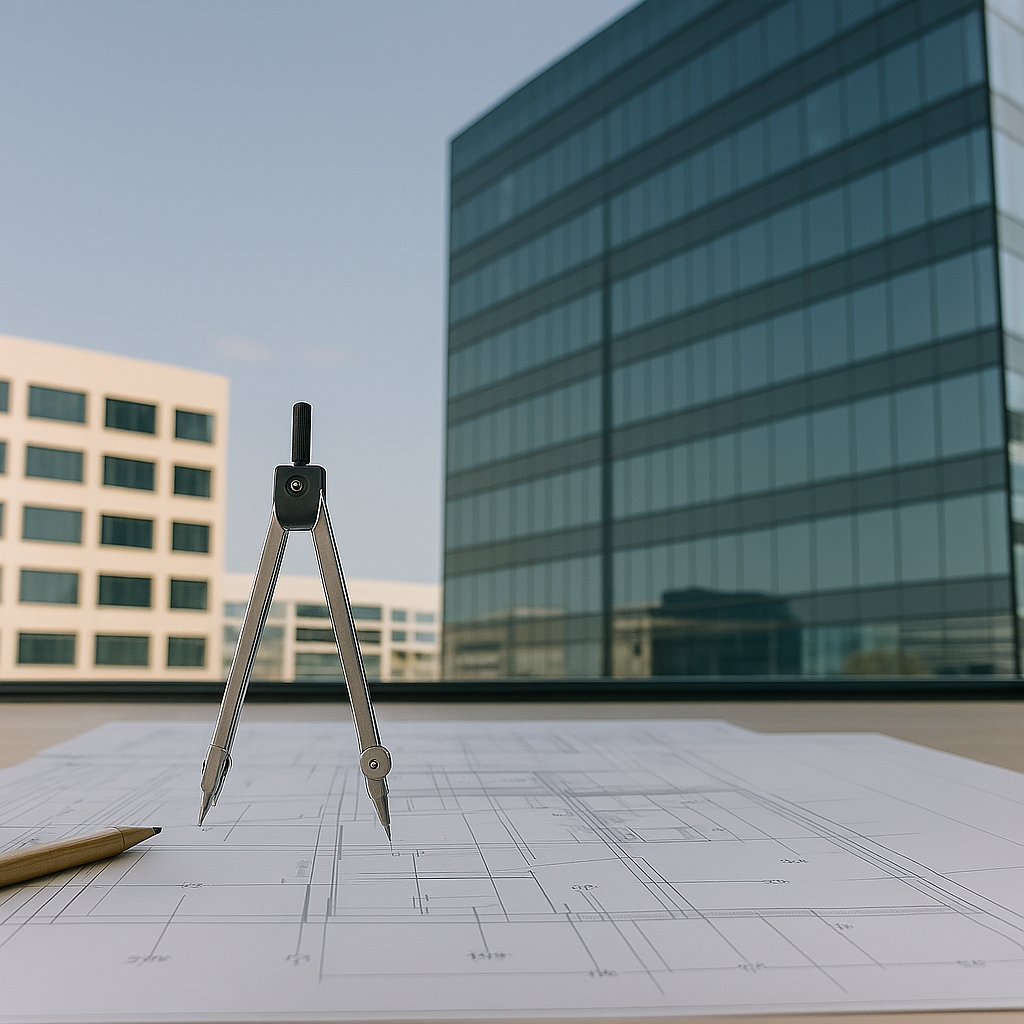
From Blueprint to Brand: How Architecture Shapes Company Identity
In today’s competitive marketplace, a company’s identity is more than a logo or a slogan, it’s the physical spaces where people work, collaborate and connect. Architecture plays a pivotal role in shaping how a business is perceived both internally and externally. From the first blueprint to the finished building, every design choice communicates values, ambitions and culture. For construction companies, this is not just about creating functional spaces, it’s about building environments that embody brand identity.
Architecture as a Language of Identity
Architecture is more than bricks and mortar; it is a language that speaks to employees, clients and the wider community. A sleek, modern office with glass facades conveys transparency and innovation. A heritage-inspired headquarters with traditional stonework suggests stability and respect for history.
When companies invest in architecture that reflects their ethos, they create a powerful alignment between physical space and brand message. For example:
- Tech firms often favour open-plan, flexible layouts to emphasise collaboration and agility.
- Financial institutions may choose imposing, structured designs to project authority and trust.
- Creative agencies lean into bold, unconventional spaces to showcase originality.
From Blueprint to Brand: The Design Journey
The journey from blueprint to brand identity begins long before construction starts. It involves:
- Strategic Planning – Understanding the company’s mission, values and audience.
- Design Translation – Converting abstract brand concepts into tangible architectural features.
- Material Selection – Choosing finishes, colours and textures that reinforce the brand.
- Execution – Ensuring construction quality matches the intended identity.
This process requires collaboration between architects, designers and construction teams. Every decision from the width of hallways to the placement of windows, contributes to the narrative of the brand.
Architecture and Employee Experience
A company’s identity is not only projected outward but also lived inward. Employees spend most of their time within these spaces and architecture directly influences their productivity, wellbeing and sense of belonging.
- Natural light and open spaces foster creativity and reduce stress.
- Quiet zones and private offices support focus and confidentiality.
- Communal areas encourage collaboration and build culture.
When employees feel that their workplace reflects the company’s values, they become ambassadors of the brand.
Architecture as a Public Statement
Buildings are public symbols. Headquarters, factories and retail outlets all serve as physical ambassadors of a company’s identity. Consider how flagship stores or corporate campuses become landmarks in their cities. They don’t just house operations, they tell a story.
For construction companies, this is an opportunity to demonstrate expertise and vision. By delivering projects that embody brand identity, they showcase their ability to merge technical skill with cultural understanding.
Case Study: Architecture Reinforcing Brand Identity
Imagine a construction firm tasked with building a new headquarters for a sustainability-focused company. The blueprint incorporates:
- Green roofs and solar panels to highlight environmental responsibility.
- Recycled materials to reinforce eco-conscious values.
- Open, flexible spaces to symbolise adaptability and innovation.
The finished building becomes more than a workplace, it is a living testament to the company’s mission. Visitors immediately understand the brand’s priorities and employees feel proud to be part of an organisation that practices what it preaches.
The Future of Architecture and Branding
As businesses evolve, so too must their spaces. Future trends in architecture will continue to shape company identity:
- Smart buildings that integrate technology to reflect innovation.
- Adaptive reuse projects that demonstrate sustainability and respect for heritage.
- Community-focused designs that emphasise inclusivity and social responsibility.
Construction companies that embrace these trends will not only deliver buildings but also craft identities that resonate for decades.
Conclusion
From blueprint to brand, architecture is a powerful tool for shaping company identity. It influences how employees feel, how clients perceive and how communities engage. For construction companies, this is both a responsibility and an opportunity, to build spaces that tell stories, embody values and create lasting impressions.
At Willow Interiors Limited, we believe every project is a chance to design identity into reality. By aligning architecture with brand, we help businesses stand out, thrive and inspire.
If you’ve been inspired by the article and would like to see how we can bring your own project to life, we’d be delighted to help. Whether you’re planning a renovation, a new build or a bespoke commission, our team is ready to provide clear guidance and competitive pricing. If you’re interested in a no obligation quote, please contact us today we’d love to discuss your vision and how we can make it a reality.